The Role of Specialized Mental Health Services in Veteran Wellbeing
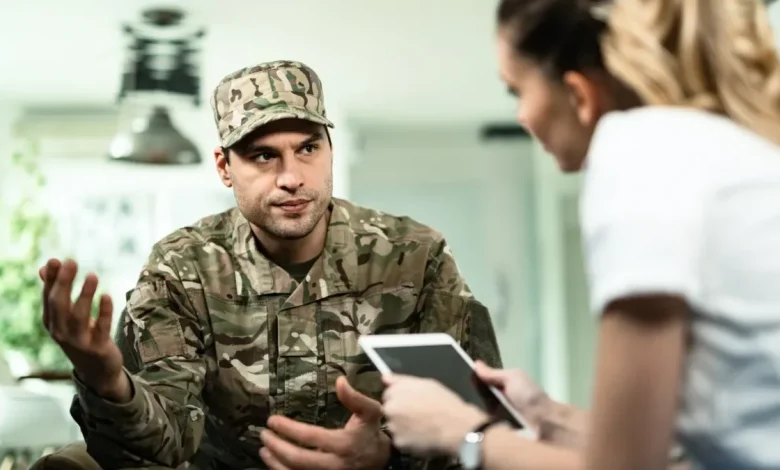
Transitioning from military service to civilian life involves a unique set of changes that most civilians never experience. For many Australian Defence Force (ADF) personnel, this shift requires more than just finding a new job or a place to live; it involves a fundamental readjustment of identity and daily routine. While many veterans make this transition smoothly, others face specific mental health challenges that require understanding and expert care. The general mental health system, while valuable, often lacks the nuance required to address conditions rooted in service life.
This is where specialized care becomes essential. Military service exposes individuals to high-stress environments, strict hierarchies, and potentially traumatic events. These experiences can lead to complex conditions such as Post-Traumatic Stress Disorder (PTSD), moral injury, or adjustment disorders that manifest differently in veterans than in the general population. Accessing professional veteran psychiatric assessment services early in the transition process can be a decisive factor in long-term wellbeing. These assessments are designed to recognize the specific markers of service-related trauma that might otherwise be overlooked in a standard clinical setting.
Tailored support systems acknowledge that a veteran’s mental health is deeply interconnected with their physical health and social integration. In Australia, the approach to veteran care is evolving to treat the whole person rather than just isolating symptoms. For example, a specialized service provider understands the “warrior culture” that often stigmatizes asking for help. They know how to build trust with someone who has been trained to be self-reliant and resilient above all else. This cultural competence is vital. It allows health professionals to break down barriers and create a safe space where veterans feel understood rather than judged.
Specialized services also play a crucial role in supporting families. The impact of service-related mental health issues rarely stops with the individual. Partners and children often bear the weight of a veteran’s struggles. Programs that include family counselling and education help build a support network at home, which is often the first line of defence against mental health decline. By equipping families with tools to communicate and cope, these services strengthen the veteran’s immediate community.
Furthermore, specialized care in Australia often integrates peer support. There is immense value in connecting with others who have walked a similar path. Peer support workers, who are often veterans themselves, provide a level of empathy and shared understanding that clinical professionals sometimes cannot replicate. They offer practical advice on navigating the Department of Veterans’ Affairs (DVA) systems and provide a sense of camaraderie that many veterans miss after leaving the ADF.
Ultimately, the goal of specialized mental health services is not just to treat illness but to foster resilience and a renewed sense of purpose. By addressing the specific psychological and emotional needs of the veteran community, we can ensure that those who served their country receive the comprehensive care they deserve.