Height Enhancement Without Surgery: Modern Solutions for All Ages
Height has long shaped how people feel about confidence, sport, school life, and work. In Thailand, ideas about appearance can influence social life from a young age, so interest in safe ways to support growth is easy to understand. Today, many families are learning about height-increasing technology (known as เทคโนโลยีเพิ่มความสูง in Thai) and other non-surgical methods that may help people make the most of their natural potential.
For children and teenagers, height depends on genes, sleep, food, exercise, and general health. Height increase technology is often used as a broad term for tools, testing, and support methods linked to posture, bone health, and growth tracking. It does not mean instant results. Instead, it refers to modern ways of checking habits and improving daily routines that support healthy development.
In Thai homes, parents often pay close attention to diet and school demands, yet growth can be affected by late nights, heavy study schedules, and low physical activity. Height increase technology may include posture scans, growth monitoring apps, and health assessments that help families spot issues early. These methods work best when used with sound medical advice and realistic expectations.
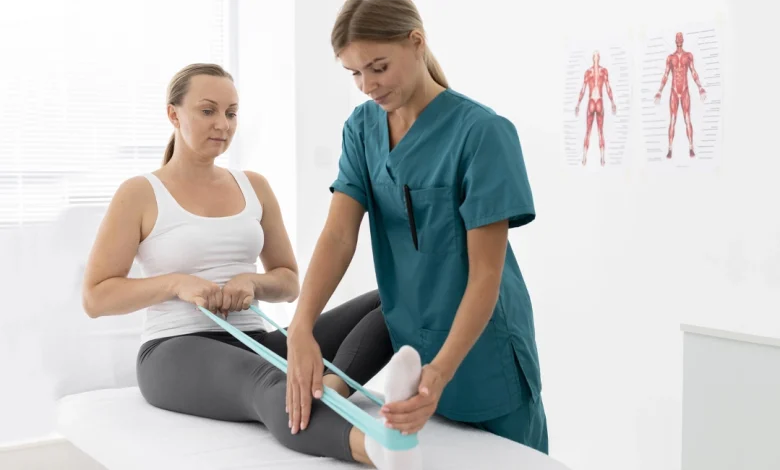
One of the most helpful areas is posture correction. Poor posture can make a person look shorter than they are. Long hours sitting in classrooms, using phones, or studying at a desk may lead to rounded shoulders and a bent back. Stretching, back-strength exercises, and better sitting habits can improve posture and help a person stand taller. This change may seem small, but it can make a clear difference in day-to-day life.
Nutrition also matters. Thai meals can be rich and varied, with fish, eggs, rice, vegetables, tofu, and fruit all playing a part in a balanced diet. Children and teens need enough protein, calcium, vitamin D, and zinc for healthy growth. Sunlight can help with vitamin D, though city life and indoor study may limit this. A doctor or dietitian can check for gaps if growth seems slower than expected.
Sleep is another major factor. Growth hormone is released during deep sleep, so poor sleep habits may affect normal development. Many young people in Thailand stay up late with homework, social media, or gaming. A steady bedtime, less screen use before sleep, and a calm room can support better rest.
Exercise supports bones and muscles too. Basketball, swimming, skipping, volleyball, and simple outdoor play can help build strength and coordination. For adults, exercise will not lengthen bones once growth plates have closed, but it can improve posture, flexibility, and body shape. This may create a taller appearance and better self-esteem.
Non-surgical height support has limits, and honest advice matters. No safe method can promise dramatic growth for everyone. Age, health, and genetics all play a part. Still, healthy routines, early checks, and modern assessment tools can help people in Thailand support growth in a sensible way. The best aim is not chasing an ideal image, but building health, confidence, and good posture at every age.