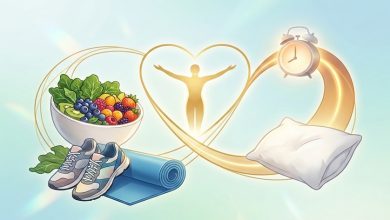
Building a Resilient Heart: Aerobics for Long-Term Cardiovascular Health

Heart health has become one of the most crucial wellness concerns in Singapore, where fast-paced routines, long work hours, and high stress are part of everyday life. While diet and stress management play key roles, consistent physical activity remains the strongest foundation for maintaining a healthy heart. Joining a gym fitness program that includes regular aerobic training is one of the most effective and sustainable ways to strengthen cardiovascular health. At TFX, structured aerobics classes are designed to improve heart efficiency, enhance oxygen utilisation, and reduce long-term risks of heart-related diseases—all while keeping the sessions fun and energising.
Understanding Cardiovascular Health
The cardiovascular system includes the heart, lungs, and network of blood vessels that deliver oxygen and nutrients throughout the body. Over time, unhealthy habits such as sitting for long hours, consuming processed foods, and dealing with chronic stress can strain this system. As a result, many adults in Singapore face elevated blood pressure, cholesterol imbalances, and reduced endurance even at a young age.
Aerobic exercise works like a tune-up for this entire system. It helps the heart pump blood more efficiently, keeps arteries flexible, and ensures oxygen is delivered effectively to working muscles. The stronger and more efficient your heart becomes, the less effort it takes to perform daily activities like climbing stairs or brisk walking.
How Aerobics Strengthens the Heart
When you engage in rhythmic, continuous movements such as stepping, jumping, and dancing, your heart rate increases steadily. This repeated demand trains the heart muscle to handle more work with less strain. Over time, your resting heart rate decreases—a sign that your cardiovascular system has become stronger and more efficient.
Consistent aerobic exercise also helps widen blood vessels, improving circulation and lowering resistance within the arteries. This reduces blood pressure naturally without relying solely on medication. Additionally, regular movement prevents plaque buildup in the arteries, lowering the risk of conditions like coronary heart disease.
Improving VO2 Max: The Measure of Heart Efficiency
VO2 max is one of the best indicators of cardiovascular fitness. It measures how effectively your body can use oxygen during exercise. The higher your VO2 max, the better your endurance, stamina, and overall health.
Aerobics directly increases VO2 max by challenging your lungs and heart to deliver oxygen more efficiently. Over time, you’ll find that activities once considered tiring—such as climbing stairs or cycling uphill—become noticeably easier. At TFX, instructors guide participants through varying intensities that alternate between moderate and high effort, a method proven to improve VO2 max without overwhelming beginners.
The Role of Aerobics in Blood Pressure Management
High blood pressure is a growing concern in Singapore, particularly among office workers and middle-aged adults. Aerobics acts as a natural regulator by promoting elasticity in the arteries and improving blood flow. During each class, the increased heart activity teaches your circulatory system to adapt to pressure changes, reducing strain on the heart.
Moreover, aerobic training enhances the body’s ability to use insulin effectively, which supports blood sugar stability and further reduces cardiovascular risk. With consistent sessions, participants often experience measurable improvements in blood pressure and cholesterol within a few months.
Strengthening the Heart Muscle
Just like any other muscle in the body, the heart grows stronger with regular use. Aerobics provides a safe, controlled way to challenge it. Each session alternates between periods of steady movement and bursts of higher intensity, forcing the heart to adapt to changes in demand. This strengthens the myocardium (heart muscle) and improves cardiac output—the amount of blood the heart pumps per beat.
Over time, this means your heart doesn’t need to work as hard to maintain daily circulation. A stronger heart also supports better recovery, allowing you to manage stress, fatigue, and physical challenges with greater ease.
The Emotional Connection Between Aerobics and Heart Health
The link between emotional well-being and heart health is well-established. Chronic stress, anxiety, and lack of rest can raise cortisol levels, which contribute to inflammation and heart disease. Aerobics serves as both physical and emotional therapy. The rhythmic motion, uplifting music, and social engagement help release endorphins—hormones that counter stress and promote a sense of calm.
Participants often report that group classes at TFX provide not just a workout but a stress outlet. The positive, high-energy environment turns exercise into an enjoyable ritual rather than an obligation, making long-term commitment easier.
Preventing Lifestyle Diseases Through Consistent Movement
Sedentary lifestyles are among the top contributors to cardiovascular issues. Even individuals who appear healthy may develop internal risk factors if they lack consistent physical activity. Aerobic training fills this gap by keeping the circulatory system active and resilient.
Consistent movement improves the body’s cholesterol profile by raising HDL (good cholesterol) and lowering LDL (bad cholesterol). It also helps regulate triglyceride levels, which are linked to heart disease. Combined with a balanced diet and adequate hydration, aerobics becomes a powerful long-term defence against chronic health conditions.
How Much Aerobic Exercise Does the Heart Need?
The World Health Organization recommends at least 150 minutes of moderate-intensity aerobic activity each week for adults. That translates to about three to four sessions of 40 to 50 minutes each. At TFX, class formats are tailored to meet these guidelines, providing a mix of steady cardio and rhythmic conditioning that makes it easy to stay consistent.
For those starting out, even shorter sessions can deliver benefits if performed regularly. The key is to maintain a heart rate that stays within 60 to 80 percent of your maximum. Over time, your endurance will improve naturally, allowing you to take on longer or more challenging sessions without discomfort.
Practical Tips to Keep Your Heart Strong with Aerobics
-
Stay consistent: Aim for regular classes rather than occasional intense workouts.
-
Warm up and cool down properly: Gradual transitions protect the heart and muscles.
-
Monitor your heart rate: Stay within a safe range for your age and fitness level.
-
Pair with a healthy diet: Limit processed foods, reduce sodium, and eat heart-friendly fats.
-
Hydrate well: Proper hydration supports blood circulation and recovery.
FAQs
What is VO2 max and why is it important?
VO2 max measures how efficiently your body uses oxygen during exercise. The higher your VO2 max, the more efficiently your heart and lungs deliver oxygen to your muscles. Regular aerobics improves this capacity, increasing stamina and reducing fatigue.
Can aerobics reduce my risk of high blood pressure?
Yes. Consistent aerobic activity strengthens your heart and improves blood vessel flexibility, helping to naturally lower blood pressure. Many participants experience noticeable reductions after just a few months of consistent training.
Is aerobic exercise safe for older adults or people with mild hypertension?
Absolutely. Aerobics can be adapted to all fitness levels. TFX instructors ensure classes are paced safely, with modifications to suit individual needs. In fact, moderate-intensity aerobics is often recommended by healthcare professionals as part of hypertension management.
How long does it take to see improvements in heart health?
Improvements in stamina and heart efficiency can be felt within four to six weeks of consistent practice. Long-term benefits, such as lower resting heart rate and improved cholesterol levels, become evident after a few months.
Do I still need strength training if I do aerobics regularly?
Yes, but aerobics forms the foundation. Strength training complements it by improving muscle tone and joint stability, while aerobics keeps the cardiovascular system in top condition. Together, they create a balanced approach to overall fitness.
Building a strong heart is not a one-time effort but a lifelong commitment. With structured aerobic classes designed to improve endurance, flexibility, and cardiovascular performance, participants can protect themselves from heart-related risks while feeling more energetic and confident in daily life. In Singapore’s busy lifestyle, consistent aerobics practice isn’t just about fitness—it’s a long-term investment in health and resilience.