The Power of Exercise: Unlocking Physical and Mental Potential

Exercise is a fundamental pillar of human health and well-being, with benefits extending far beyond the obvious physical improvements. It is a powerful tool for enhancing both the body and the mind. In a world that is increasingly sedentary, the value of regular exercise cannot be overstated. It is not merely about sculpting a lean physique or building muscle; it is about fostering a sense of vitality, increasing mental clarity, and contributing to a long, healthy life. This article explores the wide-ranging benefits of exercise, the various types of exercise, and how to incorporate them into a balanced lifestyle.
The Holistic Benefits of Exercise
One of the most compelling reasons to engage in regular physical activity is the broad spectrum of benefits it offers. Exercise has been scientifically proven to enhance cardiovascular health, increase longevity, improve mental health, and even boost immune function. In terms of physical benefits, the advantages are readily apparent: regular exercise can reduce the risk of chronic diseases, such as heart disease, diabetes, and certain types of cancer. It helps to maintain a healthy weight by increasing metabolism and burning fat, which in turn lowers the risk of obesity-related illnesses.
Furthermore, exercise plays a crucial role in strengthening the bones and muscles. Weight-bearing exercises, such as resistance training or activities like walking and running, stimulate the bones to maintain or even increase their density. This can help to prevent conditions such as osteoporosis in later life. Additionally, regular physical activity promotes flexibility, balance, and coordination, reducing the likelihood of falls and injuries, particularly as we age.
Perhaps less immediately obvious but equally significant are the mental and emotional benefits that exercise brings. Engaging in physical activity triggers the release of endorphins, the body’s natural “feel-good” chemicals. These endorphins help to combat stress, anxiety, and depression, creating a sense of euphoria and improved mood after exercise. As such, exercise is not only a way to maintain physical fitness but also a highly effective strategy for promoting mental well-being.
Exercise has also been shown to improve cognitive function. Regular physical activity increases blood flow to the brain, which nourishes and revitalizes brain cells. Studies suggest that this can lead to improvements in memory, focus, and learning capacity. Additionally, exercise has been linked to a reduction in the risk of cognitive decline and diseases such as Alzheimer’s, making it a key factor in maintaining mental acuity throughout life.
Types of Exercise: Finding What Works for You
The variety of exercise options available today means that there is something for everyone, no matter one’s fitness level, preferences, or physical capabilities. Exercise can be broadly categorized into three primary types: aerobic, strength training, and flexibility exercises. Each type offers its unique set of benefits and can be tailored to individual goals.
Aerobic Exercise: Often referred to as “cardio,” aerobic exercise includes activities such as running, swimming, cycling, and walking. These exercises elevate the heart rate and improve cardiovascular health by increasing the efficiency of the heart and lungs. Aerobic exercise is also excellent for burning calories, which can aid in weight loss or maintenance. Regular participation in aerobic activity strengthens the cardiovascular system, improves circulation, and enhances overall stamina. For those with busy lifestyles, even a brisk 30-minute walk each day can provide significant health benefits.
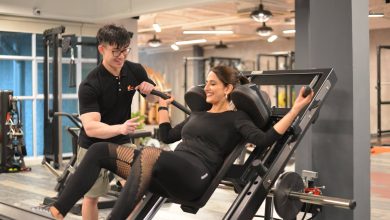
Strength Training: While aerobic exercise focuses on endurance, strength training targets muscle development and bone density. This type of exercise includes lifting weights, resistance band exercises, and bodyweight exercises such as push-ups and squats. Strength training is essential not only for building muscle mass but also for boosting metabolism, as it increases the number of calories the body burns even at rest. Furthermore, strength training supports joint health, enhances posture, and increases overall functional strength, which can make everyday tasks easier to perform.
Flexibility Exercises: Often overlooked, flexibility exercises are crucial for maintaining joint health, preventing injury, and improving overall mobility. Yoga, Pilates, and static stretching are all excellent ways to improve flexibility and balance. These exercises help lengthen the muscles, enhance range of motion, and reduce the likelihood of muscle strains. Regular stretching also promotes relaxation, which can be particularly beneficial for reducing stress and tension after a long day.
Building a Sustainable Exercise Routine
For many, the biggest challenge is finding the motivation and time to exercise consistently. Developing a sustainable exercise routine requires both commitment and planning. The first step is setting realistic, achievable goals. These can range from simple objectives like walking 10,000 steps per day to more complex goals such as training for a marathon or mastering a new yoga pose. Having specific goals in mind provides both direction and a sense of purpose.
Next, it is essential to choose activities that are enjoyable. Exercise should not feel like a chore; rather, it should be something you look forward to. If you find running on a treadmill monotonous, consider joining a dance class, hiking in nature, or practicing a sport you enjoy. The more you enjoy the activity, the more likely you are to stick with it over time.
A well-rounded exercise routine should also incorporate a variety of activities to prevent boredom and address all aspects of fitness. For example, combining aerobic exercise with strength training and flexibility work ensures that you are improving both endurance and strength while also enhancing mobility and reducing the risk of injury.
Equally important is listening to your body. While pushing yourself is an important part of improving fitness, overtraining can lead to injury and burnout. It is crucial to allow for adequate rest and recovery, particularly after intense sessions. Rest days, stretching, and proper hydration are key components of any sustainable exercise routine.
The Role of Exercise in Modern Life
In today’s fast-paced world, exercise has become more important than ever. With many people leading sedentary lifestyles due to desk jobs, long commutes, and the pervasive use of technology, the need for regular physical activity is crucial to combat the adverse effects of inactivity. The rise in lifestyle-related diseases such as obesity, heart disease, and diabetes further underscores the importance of integrating exercise into daily life.
Moreover, exercise has the power to enhance the quality of life by improving mood, boosting energy levels, and fostering a sense of accomplishment. It offers a sense of control over one’s health, an antidote to the stress and chaos that can often dominate modern life. By prioritizing regular physical activity, individuals can dramatically improve both their physical and mental well-being.
Conclusion
Exercise is an essential aspect of a healthy lifestyle, offering profound benefits for the body and mind. It is a tool for enhancing longevity, improving physical strength, fostering mental clarity, and combating stress. Whether through aerobic activity, strength training, or flexibility exercises, the key is consistency and finding activities that resonate with you personally. In a world where inactivity is becoming the norm, regular exercise is more than just a choice; it is a powerful means to unlock the full potential of our bodies and minds.