Injury-Aware Personal Training in Singapore: Training Safely With Old Injuries and Chronic Pain
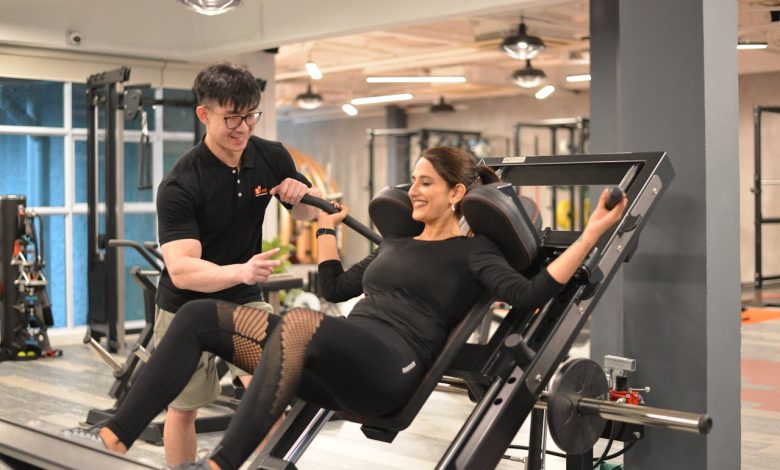
In Singapore, many people return to the gym carrying more than just motivation. Old knee injuries from sports, lingering back pain from desk work, shoulder discomfort from years of poor posture, and tight hips from long commutes are extremely common. This is where working with a fitness trainer singapore becomes essential, not for pushing limits blindly, but for rebuilding strength safely while respecting the body’s history.
Injury-aware personal training is not about avoiding effort. It is about training intelligently, restoring movement confidence, and progressing without triggering setbacks. For experienced exercisers and busy professionals, this approach often determines whether fitness becomes sustainable or frustrating.
Why Old Injuries Still Matter in Current Training
Many people assume that if an injury happened years ago, it no longer affects their training. In reality, the body adapts around pain. These adaptations often remain long after the injury itself has healed.
Common long-term effects include:
-
Muscle imbalances caused by compensation
-
Reduced joint range of motion
-
Altered movement patterns
-
Fear of certain exercises
-
Weak stabilising muscles
A skilled trainer identifies these patterns early. Instead of repeating exercises that aggravate old issues, they rebuild movement quality before increasing load.
The Difference Between Pain and Productive Discomfort
One of the most important roles of a fitness trainer is helping clients understand what sensations are acceptable and which ones are warning signs.
Productive discomfort usually:
-
Feels muscular rather than sharp
-
Decreases after warm-up
-
Does not worsen over time
-
Resolves within a day or two
Pain that needs attention often:
-
Feels sharp, stabbing, or unstable
-
Increases during or after sessions
-
Persists for days
-
Affects daily activities
Injury-aware training teaches clients to recognise these differences, preventing long-term damage caused by ignoring early signals.
Movement Screening Before Programme Design
Before designing any programme, an experienced trainer conducts movement screening. This is not a medical diagnosis but a functional assessment.
Typical screening includes:
-
Squat and hinge patterns
-
Shoulder mobility and stability
-
Core control during basic movements
-
Balance and single-leg strength
-
Range of motion limitations
This process allows the trainer to identify risk areas and design exercises that strengthen weak links without aggravating existing conditions.
Training Around Knee Pain Without Avoiding Leg Work
Knee pain is one of the most common complaints among gym-goers in Singapore. It often stems from weak glutes, poor ankle mobility, or improper loading patterns rather than the knee itself.
An injury-aware fitness trainer may:
-
Modify squat depth initially
-
Use split squats or step-ups instead of barbell squats
-
Strengthen surrounding muscles such as glutes and hamstrings
-
Improve hip and ankle mobility
-
Adjust tempo to reduce joint stress
This approach allows clients to continue lower-body training safely while improving knee resilience over time.
Shoulder and Neck Issues From Desk-Based Lifestyles
Long hours at a desk contribute heavily to shoulder impingement, neck stiffness, and upper back weakness. Simply pressing heavier weights often worsens these problems.
A trainer focuses on:
-
Scapular control and stability
-
Postural strengthening
-
Controlled pulling movements
-
Reduced overhead loading when necessary
-
Mobility work for the thoracic spine
Over time, these adjustments reduce discomfort and restore strength without forcing painful movements.
Lower Back Pain and Core Stability
Lower back pain is rarely caused by weak back muscles alone. More often, it is linked to poor core stability, limited hip mobility, or improper movement sequencing.
An injury-aware trainer prioritises:
-
Bracing techniques during lifts
-
Gradual progression of deadlift variations
-
Anti-rotation and anti-extension core exercises
-
Hip hinge retraining
-
Load management across the week
By improving how the body distributes force, back pain often reduces naturally without eliminating strength training.
Training Progression Without Reinjury
One of the biggest mistakes in recovery-focused training is progressing too quickly. Injury-aware programming follows structured progression.
Key principles include:
-
Increasing load gradually
-
Limiting weekly volume spikes
-
Rotating exercise variations
-
Scheduling recovery-focused sessions
-
Monitoring fatigue and soreness closely
This allows the body to adapt safely and rebuild trust in movement.
Mental Confidence and Fear Reduction
Past injuries often create fear around specific movements. This fear can limit progress even when the body is physically capable.
A fitness trainer addresses this by:
-
Introducing movements in controlled ranges
-
Using lighter loads with perfect form
-
Providing consistent feedback and reassurance
-
Celebrating small improvements
-
Educating clients about safe movement mechanics
Restoring confidence is just as important as rebuilding strength.
Balancing Strength Training and Recovery Work
Injury-aware training is not all rehabilitation exercises. It blends strength work with recovery strategies.
This balance may include:
-
Strength sessions paired with mobility work
-
Deload weeks to manage fatigue
-
Active recovery instead of complete rest
-
Breath-focused exercises to reduce tension
-
Lifestyle adjustments for better recovery
High-quality personal training environments such as True Fitness Singapore emphasise this balance to support long-term results rather than short-term intensity.
Long-Term Benefits of Injury-Aware Training
When training respects the body’s history, clients experience:
-
Fewer setbacks and flare-ups
-
Improved movement quality
-
Better strength carryover
-
Higher consistency
-
Greater confidence in daily activities
This approach turns fitness into a lifelong practice rather than a cycle of progress and injury.
Real-Life FAQs
Q: Can I still train hard if I have old injuries?
A: Yes, but intensity must be managed intelligently. Proper exercise selection and progression allow hard training without unnecessary risk.
Q: Should I avoid exercises that caused pain in the past?
A: Not always. Many exercises can be reintroduced gradually with modified technique, range, or load.
Q: Is injury-aware training only for older adults?
A: No. It benefits anyone with past injuries, including younger athletes and active professionals.
Q: How long does it take to feel improvement in chronic pain?
A: Many clients notice reduced discomfort within a few weeks when training is properly adjusted.
Q: Do I need physiotherapy instead of a fitness trainer?
A: Both have different roles. A fitness trainer focuses on safe strength and movement progression once medical clearance is given.
Q: Will injury-aware training slow down my progress?
A: It may feel slower initially, but it leads to more consistent and sustainable results long term.
Q: Can strength training actually reduce joint pain?
A: Yes. Properly programmed strength training improves joint stability and reduces pain for many individuals.
Q: Is this approach suitable for busy professionals in Singapore?
A: Absolutely. Injury-aware training prioritises efficiency, safety, and long-term health within limited time schedules.
Training safely does not mean training cautiously forever. With the right guidance, old injuries become manageable, confidence returns, and progress becomes consistent and sustainable.