Dental Anxiety: Sleep Dentistry Tends To Heal It
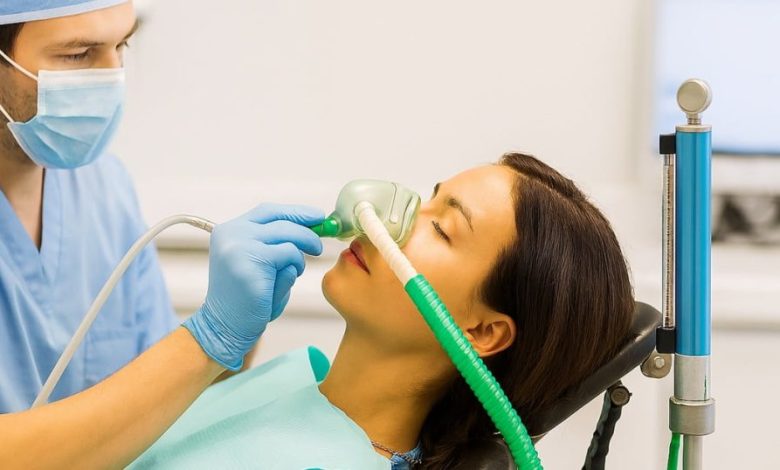
Dental anxiety is a common barrier to oral health, affecting an estimated 10–20% of the population. For some, fear of the dentist can be so intense that it prevents routine check-ups, leading to untreated decay, gum disease, and more complex dental problems. Sleep dentistry, also known as sedation dentistry, has emerged as a highly effective approach not only to manage immediate fear but also to help patients gradually overcome long-standing dental anxiety.
Sleep dentistry is not literal sleep but a controlled state of deep relaxation, usually achieved through oral sedation, intravenous sedation, or nitrous oxide (“laughing gas”). The dentist monitors the patient closely, ensuring safety while reducing awareness of dental procedures. For anxious patients, this approach transforms a potentially stressful experience into a calm and manageable one, allowing them to receive necessary treatment without panic or tension.
On the global stage, this is a big trend. In the USA, New York tops treatments. In Australia, sleep dentistry is popular in Melbourne and in the United Kingdom it’s a London thing. Tokyo, Singapore, Bangkok and Paris are other cities where dentists promote this service as a major benefit.
One of the key benefits of sleep dentistry is that it breaks the cycle of avoidance. Many people with dental anxiety delay or avoid care until pain or infection becomes severe. By enabling them to undergo treatment comfortably, sedation dentistry prevents minor issues from escalating into emergencies, reducing both physical discomfort and psychological stress. Over time, positive experiences under sedation can reshape patients’ perceptions of dental visits.
Sleep dentistry also allows dentists to work more efficiently and comprehensively. Complex procedures, such as root canals, multiple fillings, or dental implants, can be completed in fewer appointments, reducing the number of stressful visits. This efficiency not only benefits the patient physically but also reinforces a sense of control and competence over what once felt like an overwhelming situation. Each successful visit builds confidence, making future appointments less intimidating.
Psychologically, sedation dentistry can help patients “unlearn” fear responses. Exposure to dental care in a controlled, pain-free environment allows the brain to form new associations: the dentist is no longer a source of trauma but a provider of relief and care. Many patients report that after several sedated treatments, their anxiety diminishes even during routine check-ups without sedation. This gradual desensitisation is a powerful tool in addressing chronic dental fear.
Education and communication are also central to success. Dentists who offer sedation often spend time discussing procedures, sedation methods, and post-treatment care beforehand. Feeling informed and prepared reduces uncertainty—the root of much dental anxiety. Patients learn coping strategies and gain a sense of control, which further accelerates emotional recovery from fear.
Of course, sedation dentistry is not a replacement for good oral hygiene or preventive care. Patients still need regular check-ups, brushing, flossing, and professional cleanings to maintain long-term dental health. Sedation simply provides a bridge, allowing anxious patients to access care safely while gradually rebuilding confidence.
In summary, sleep dentistry offers more than a comfortable procedure; it provides a pathway to healing dental anxiety itself. By reducing fear, enabling timely treatment, and fostering positive experiences, sedation dentistry empowers patients to take control of their oral health. As for paediatric dentistry, helping kids feel comfortable is the future and parents have embraced it. For those who have long dreaded the dentist’s chair, this approach transforms visits from a source of stress into an opportunity for reassurance, care, and long-term wellness.
Over time, sleep dentistry does more than treat teeth—it tends to heal fear, restoring not only smiles but peace of mind.