Why Low-Impact Cycling Appeals to People With Sensitive Joints
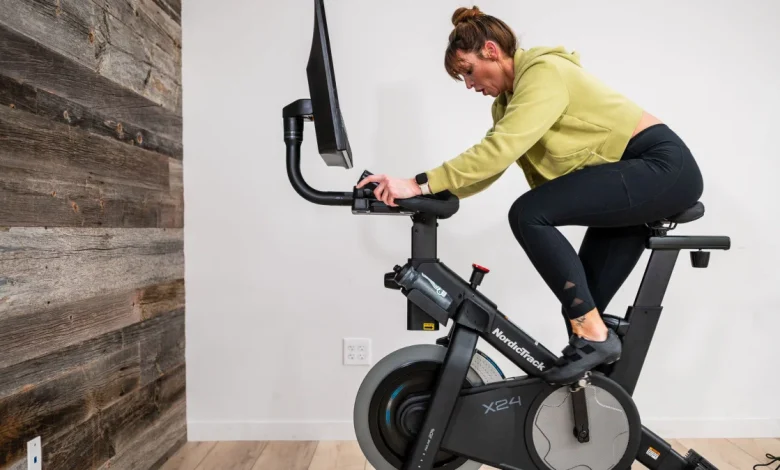
Many people want better cardio fitness but feel limited by joint discomfort, old injuries, or fear of high-impact movement. Running, jumping, and fast floor exercises can feel too harsh for some bodies, especially when knees, ankles, hips, or lower backs are sensitive. This does not mean cardio is impossible. It means the exercise choice needs to be smarter.
For people searching for indoor cycling singapore, low-impact cycling can be an appealing option. Indoor cycling allows riders to train heart fitness, stamina, and leg endurance while staying seated or supported on a stationary bike. The controlled setup reduces many impact-related concerns and helps people focus on rhythm, resistance, and effort.
What Low-Impact Really Means
Low-impact exercise means the body avoids repeated hard landings. In cycling, the feet stay connected to the pedals, and the bike supports much of the body’s weight. This creates less pounding than running or jump-based workouts.
Low impact does not mean easy. A cycling class can still be intense. Riders can increase resistance, ride faster, and work through challenging intervals. The difference is that the challenge comes through controlled pedaling rather than repeated impact.
That makes cycling useful for people who want effort without unnecessary joint stress.
Why Sensitive Joints Need Smarter Cardio
Sensitive joints may react poorly to sudden spikes in load, poor technique, or repeated impact. Some people experience discomfort after running. Others feel uneasy during jump squats, burpees, or fast lateral movements. When exercise repeatedly feels uncomfortable, people often stop altogether.
A better approach is to find cardio that feels manageable enough to repeat. Indoor cycling gives people a way to train regularly while reducing the fear associated with impact.
Consistency improves when the body feels respected.
Cycling Allows Adjustable Intensity
One of the strongest features of indoor cycling is adjustability. Riders can control resistance and pace. If the session feels too hard, they can reduce resistance. If they feel strong, they can increase challenge.
This matters for people with sensitive joints because they can respond to how the body feels on the day. Not every session needs to be maximum effort. Some rides can be moderate and steady. Others can be more intense if the body feels ready.
Adjustable intensity makes training more sustainable.
Proper Bike Setup Matters
Low-impact does not automatically mean risk-free. Bike setup matters. Seat height, handlebar position, distance from the handlebars, and foot placement can affect comfort. Poor setup may create unnecessary strain in the knees, hips, back, or shoulders.
A rider should feel stable and supported. The knees should not feel cramped at the top of the pedal stroke, and the body should not be forced into an uncomfortable reach.
New riders should ask for help with setup before class. A few adjustments can change the entire experience.
Joint-Friendly Cardio Still Builds Fitness
Some people worry that lower-impact exercise will not improve fitness. That is not true. Indoor cycling can raise heart rate, challenge breathing, and build stamina. The body still works hard, even though the joints are not absorbing repeated landing forces.
The intensity comes from sustained effort, resistance, and class structure.
This makes cycling a useful option for people who want effective cardio but need a gentler movement pattern.
It Can Support Weight Management Goals
Cardio can support weight management when combined with strength training, nutrition, and consistency. Indoor cycling may help people increase weekly activity without relying on high-impact workouts.
However, cycling should not be treated as a punishment for eating. A healthier approach is to use it as part of a balanced routine.
When people enjoy the workout and can repeat it, results are more likely to follow.
Cycling Works Well With Strength Training
People with sensitive joints often benefit from strength training too. Stronger muscles can support joints and improve movement confidence. Indoor cycling can provide cardio, while strength training helps build the structure around knees, hips, and core.
A balanced routine may include indoor cycling once or twice weekly, strength training two or three times weekly, and mobility work.
This combination is often more useful than relying only on cardio.
Low-Impact Does Not Mean No Technique
Riders still need good technique. They should avoid bouncing in the saddle, gripping the handlebars too tightly, or letting the knees collapse inward. The pedal stroke should feel smooth and controlled.
Instructors can help cue better posture, breathing, and rhythm.
Technique matters because poor movement can still create discomfort, even in low-impact exercise.
Who May Benefit From Indoor Cycling
Indoor cycling may appeal to office workers, people returning after a fitness break, older adults, beginners, and those who prefer cardio without jumping. It may also suit people who want a structured class but do not enjoy dance, running, or treadmill workouts.
Anyone with ongoing pain or medical concerns should seek professional advice before starting a new exercise program.
Fitness should be adjusted to the person, not forced.
The Mental Benefit of Safer Movement
When people trust the exercise format, they relax. Fear can make workouts feel stressful. If someone constantly worries about knees, ankles, or impact, they may hold back or avoid exercise.
Indoor cycling can give people a sense of control. The bike is stable. The movement is repetitive and predictable. The rider can adjust effort quickly.
This confidence can help rebuild a positive relationship with cardio.
Choosing the Right Class Pace
Not every cycling class feels the same. Some may be high intensity. Others may be more rhythm-based or endurance-focused. People with sensitive joints should start with manageable intensity and gradually progress.
They should also avoid comparing themselves to experienced riders. Progress should be personal.
A good ride should feel challenging but not punishing.
Making Low-Impact Training Sustainable
The best cardio option is one that can be repeated. Indoor cycling offers low-impact movement, adjustable intensity, music, coaching, and indoor comfort. These features can help people keep cardio in their routine without dreading the session.
For those comparing joint-friendly fitness options, True Fitness Singapore may be relevant when looking for indoor cycling and class-based cardio in a structured gym environment.
FAQ
Is indoor cycling good for people with sensitive knees?
It may be suitable for many people because it is low impact, but bike setup and intensity matter. Anyone with ongoing knee pain should seek professional guidance.
Can indoor cycling be intense even though it is low impact?
Yes. Resistance, cadence, and intervals can make indoor cycling very challenging without jumping or running.
Should indoor cycling replace strength training?
No. Strength training can support muscles and joints, while cycling supports cardio fitness. Both can work well together.
What should beginners check before class?
They should check bike setup, resistance control, class level, and whether they can modify effort during the ride.


