Yoga as a Lifestyle Rather Than Routine
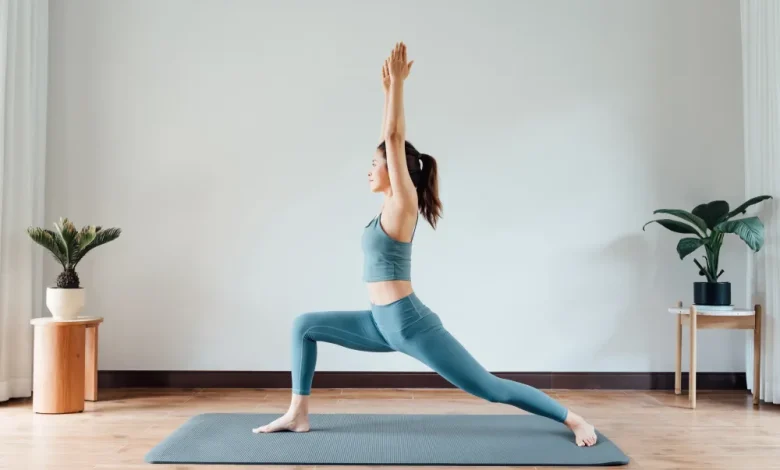
For many people, the word yoga evokes images of complex physical postures, studio classes, and athletic flexibility. It is frequently categorized alongside running, weightlifting, or high-intensity interval training as another item to check off a daily fitness to-do list. While treating yoga as a 60-minute physical workout offers clear physiological benefits, reducing it to a standard exercise routine misses its foundational purpose.
Historically and philosophically, the physical postures are only one small component of an expansive system designed to harmonize the body, mind, and spirit. When yoga transitions from a scheduled appointment into an overarching lifestyle, it changes how a person navigates stress, processes emotions, interacts with others, and treats their physical health. Living yoga means taking the awareness developed on a rubber mat and applying it to every subsequent hour of the day.
Beyond the Mat: The True Scope of Yoga
To understand yoga as a lifestyle, one must examine its philosophical roots. Classical yoga is organized around an eight-limbed path outlined in ancient texts. The physical postures, known as asanas, represent just one of these eight elements. The remaining seven focus on ethical standards, personal discipline, breath control, sensory withdrawal, concentration, meditation, and ultimate mental integration.
When an individual treats yoga strictly as a fitness routine, they focus almost entirely on the physical aspect. They strive for deep stretches, core strength, and cardiovascular conditioning. While these physical milestones are valuable, they represent a narrow interpretation of the practice.
Transitioning to a yogic lifestyle means recognizing that every choice made throughout the day can be an expression of yoga. The awareness cultivated during difficult postures becomes a tool for maintaining composure during a stressful business meeting. The steady, deliberate breathing practiced during a balancing pose becomes the default response to a sudden confrontation. This shift moves the practice out of isolation and weaves it directly into the fabric of daily life.
Cultivating Mindful Presence and Self-Awareness
The primary mechanism that transforms yoga into a lifestyle is mindfulness. In a routine-based approach, practitioners often let their minds wander, calculating their daily schedules or dwelling on past events while performing movements mechanically. A lifestyle approach demands absolute presence.
This intentional focus changes a person’s relationship with their internal environment. On the mat, practitioners learn to observe physical sensations, fleeting thoughts, and emotional surges without immediate judgment. They notice tight muscles or erratic breathing patterns as neutral data points rather than personal failures.
Off the mat, this habit of objective self-observation alters daily behavior. Instead of reacting impulsively to stressors, an individual trained in yogic awareness pauses. They notice the physical manifestation of stress, such as a clenched jaw or a spike in heart rate, and use their breath to regulate their nervous system before formulating a response. This conscious pause replaces automatic reactivity with deliberate choice, fostering healthier personal relationships and improving emotional resilience.
Integrating Ethical Standards into Daily Conduct
A comprehensive yogic lifestyle is guided by structural ethics that dictate how one treats the world and oneself. These foundational guidelines provide a blueprint for living consciously, focusing on virtues that prevent internal friction and external conflict.
-
Non-Violence (Ahimsa): This principle extends beyond refraining from physical harm. In daily life, it manifests as practicing positive self-talk, eliminating judgmental thoughts toward others, and choosing lifestyle habits that minimize environmental damage.
-
Truthfulness (Satya): Living truthfully requires absolute honesty in communication, alignment between one’s values and actions, and a commitment to processing reality without self-delusion.
-
Non-Stealing (Asteya): Beyond material objects, this virtue involves respecting the time, energy, and boundaries of others, ensuring that one does not exploit relationships or resources.
-
Moderation (Brahmacharya): This standard encourages the responsible conservation and direction of personal energy, preventing the depletion that comes from overindulgence or chronic overworking.
-
Non-Possessiveness (Aaparigraha): Practicing non-attachment means letting go of the constant urge to accumulate material wealth, status, or validation, finding contentment in current realities instead.
By actively contemplating these ethical principles, yoga ceases to be a selfish pursuit of personal physical fitness. It turns into an ongoing social and personal responsibility, transforming the practitioner into a more empathetic and grounded member of society.
Transforming the Relationship with the Physical Body
When yoga is merely an exercise routine, the body is often treated as a machine to be pushed, optimized, or forced into specific visual aesthetics. This perspective can foster feelings of inadequacy, frustration, and physical burnout.
A yogic lifestyle redefines the body as a sanctuary that supports conscious awareness. Physical movement is performed with an emphasis on longevity, joint health, and internal balance rather than competitive performance. Practitioners learn to honor their physical limitations on any given day, understanding that a body requiring rest is just as valuable as a body capable of advanced movement.
This shift in perspective inherently influences holistic health habits:
-
Nutritional Awareness: Individuals naturally migrate toward clean, whole foods that provide sustained energy and mental clarity, viewing eating as an act of vital nourishment rather than mindlessness.
-
Sleep Hygiene: Sleep is recognized as a critical phase of physical restoration and mental integration, leading to structured evening routines that respect natural biological rhythms.
-
Stress Prevention: Instead of waiting for physical illness or extreme exhaustion to force a break, practitioners introduce short moments of breathwork and meditation throughout the day to keep cortisol levels balanced.
Sustaining the Practice Through Lifespan Changes
One of the greatest vulnerabilities of treating yoga as a rigid fitness routine is its susceptibility to life disruptions. Injuries, aging, hectic travel schedules, and career shifts can easily derail a physical exercise regimen, causing individuals to abandon the practice altogether when they can no longer attend a class or complete intense workouts.
Conversely, a yogic lifestyle is infinitely adaptable because it does not depend on specific physical conditions. If an individual experiences a severe injury or faces age-related mobility decline, their yoga simply shifts format. The focus transitions seamlessly from intense physical movement to pranayama (breath control), deep meditation, or the study of philosophical philosophy.
When life becomes chaotic and time is scarce, a lifestyle practitioner does not despair over missing a formal studio session. They understand that sitting quietly for five minutes in a parked car, focus intact on the inhale and exhale, is an entirely valid form of yoga. The practice remains unbroken because its core relies on the quality of attention rather than the duration of physical exertion.
Conclusion
Embracing yoga as a lifestyle requires a mental departure from contemporary fitness culture. It asks individuals to view the physical postures not as the ultimate destination, but as a gateway to deep self-awareness, emotional stability, and ethical living. By allowing the principles of mindfulness, non-violence, and presence to spill over into daily habits, relationships, and professional endeavors, yoga stops being a task performed on a mat and becomes the very foundation upon which a balanced life is constructed.
Frequently Asked Questions
What is the specific difference between a yoga routine and a yoga lifestyle?
A yoga routine is a structured activity restricted to a specific timeframe, focused primarily on physical exercise, stretching, and physical conditioning. A yoga lifestyle integrates the mental focus, ethical principles, and breath control practiced during that routine into every aspect of daily life, influencing diet, communication, emotional reactions, and self-care long after the physical movement ends.
How can someone practice yoga if they are unable to perform the physical postures due to an injury?
Because physical postures are only one small part of the complete yogic system, an individual can practice yoga through deep breathwork, focused meditation, studying philosophical concepts, and adhering to ethical values like non-violence and truthfulness. These non-physical practices are considered just as potent for mental clarity and spiritual alignment as any physical movement.
Does living a yogic lifestyle require a person to become a strict vegetarian or vegan?
A yogic lifestyle is heavily guided by the principle of non-violence, which inspires many practitioners to choose plant-based diets to minimize harm to living creatures and reduce environmental strain. However, dietary choices remain deeply personal, and individuals must balance this principle with their unique medical requirements, cultural realities, and personal health needs.
How does a yogic lifestyle alter a person’s response to acute psychological stress?
Regular physical and mental practice conditions the autonomic nervous system to shift easily out of the sympathetic fight-or-flight response and into the parasympathetic rest-and-digest state. In moments of sudden stress, a lifestyle practitioner utilizes conscious breathing patterns and mental detachment to stay calm, preventing an impulsive emotional reaction.
Can a person maintain a competitive career while following a yogic lifestyle?
Yes, a yogic lifestyle can enhance professional success by improving focus, preventing burnout, and fostering clear, ethical communication. The principles of moderation and non-attachment help professionals navigate high-stakes corporate environments with emotional stability, allowing them to pursue ambitious goals without sacrificing their mental health or integrity.
What is the significance of breathwork in transforming yoga into a daily habit?
The breath acts as a direct bridge between the conscious mind and the unconscious nervous system. By learning to alter breathing patterns on the mat, a person gains the ability to consciously regulate their internal state throughout the day, using deep, slow breaths to clear mental fog, manage anxiety, or boost energy levels instantly.
How can a beginner start viewing yoga as a lifestyle rather than a chore?
A beginner can start by taking one small element from their physical practice, such as the habit of non-judgmental observation or steady breathing, and applying it to a specific daily activity like washing dishes, driving through heavy traffic, or listening to a family member. This builds the habit of treating normal, everyday moments as opportunities for mindful awareness.


